Unified Loyalty Frameworks: Connecting Slot Reels, Live Dealer Tables, and Sports Event Markets Through Backend Data Sync
Written by Ellis Richter · Oct 28, 2026
Unified Loyalty Frameworks: Connecting Slot Reels, Live Dealer Tables, and Sports Event Markets Through Backend Data Sync
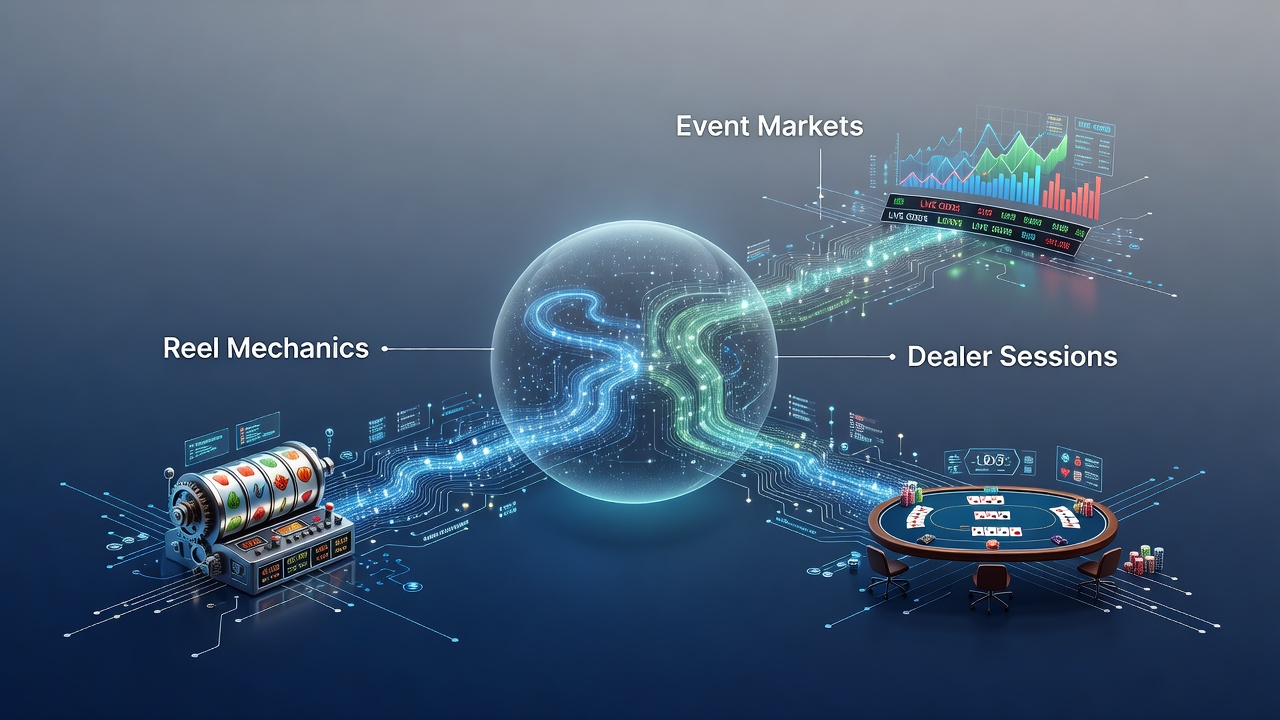
Backend systems in gaming operations now rely on synchronized data flows to align reel mechanics in slot titles with live dealer sessions and event-based markets in sportsbooks, all tied together by shared loyalty metrics that track player activity across these verticals. Data from individual game engines feeds into centralized platforms where loyalty points accumulate based on wager volume, session duration, and outcome patterns, creating a single profile that updates in real time regardless of the game type selected. Operators implement API-driven architectures that pull metrics from slot servers handling reel spins, from live casino platforms managing dealer interactions, and from betting engines processing event outcomes, then consolidate those inputs into unified loyalty ledgers.
Core Components of the Integration Process
Reel mechanics generate data points such as spin frequency, bet size per line, and bonus trigger rates, while dealer sessions contribute metrics around table time, average bet levels, and game variant preferences, and event markets add layers including stake amounts on specific outcomes, market volatility exposure, and settlement timing. Shared loyalty systems assign weighted values to each category, so a player completing a series of slot spins earns points that carry equal standing with those accumulated during a blackjack session or a soccer accumulator placement. Middleware layers handle the translation of these disparate data streams into standardized formats, ensuring compatibility across legacy slot platforms, modern live dealer interfaces, and high-volume sportsbook databases.
Studies from industry research groups show that such synchronization reduces data latency to under two seconds in most deployments, allowing loyalty balances to reflect activity almost instantly. One implementation at a major North American property demonstrated how a single loyalty account could adjust tier status based on combined activity from all three areas, with reel data processed through dedicated slot management servers, dealer session logs routed via table management software, and event market results pulled directly from odds engines.
Technical Architecture Supporting Cross-Vertical Tracking
Database schemas designed for this purpose use relational tables that link player identifiers to activity logs from each vertical, employing foreign keys to maintain referential integrity when loyalty points are calculated or redeemed. Event-driven triggers activate whenever a reel stop registers a win, a dealer completes a hand, or an event market settles, pushing updates through message queues that feed the central loyalty engine. According to reports from the American Gaming Association, operators adopting these models report improved retention figures because players see their progress reflected consistently whether they switch between slots, live tables, or sports wagers.

Security protocols encrypt data packets at each transfer point, while audit trails log every synchronization event to satisfy regulatory requirements in multiple jurisdictions. In October 2026, several properties expanded these systems to include predictive analytics modules that forecast loyalty point accrual based on historical patterns across reels, dealer tables, and event markets, feeding those projections back into personalized offers generated by the same backend layer. Researchers at institutions studying gaming technology note that the architecture scales effectively when additional verticals are introduced, because the core loyalty metric calculation remains independent of the source data format.
Operational Benefits Observed in Deployed Systems
Operators document reduced reconciliation errors once data flows synchronize across the three areas, since a single source of truth replaces separate loyalty ledgers that previously required manual alignment at month-end. Players benefit from seamless tier progression, where activity in one area contributes directly to benefits available in others, such as priority access to dealer tables or enhanced odds in certain event markets. Data from the Australian Gambling Research Centre indicates that properties using shared metrics frameworks achieve higher cross-vertical engagement rates compared with those maintaining isolated tracking systems.
Load balancing mechanisms distribute processing demands during peak periods, such as major sports events that coincide with high slot traffic, preventing bottlenecks in loyalty point allocation. One case involved a European operator that linked its reel servers in Germany with live dealer facilities in Malta and sports markets operated from a London data center, achieving consistent metric updates through a cloud-hosted orchestration layer that monitored all flows simultaneously.
Future Developments in Data Flow Synchronization
Advances in real-time streaming technologies continue to refine how reel mechanics, dealer sessions, and event markets contribute to shared loyalty calculations, with newer protocols supporting higher data throughput without increasing infrastructure costs. Observers note that integration of machine learning models allows the system to detect anomalies in data patterns across verticals, flagging potential discrepancies before they affect player balances. Those who've examined multiple deployments find that standardized APIs lower the effort required to onboard new game titles or market types into the existing loyalty framework.
Conclusion
Synchronization of backend data flows through shared loyalty metrics provides a structured method for linking slot reel activity, live dealer sessions, and sports event markets into a cohesive operational model. The approach relies on established database practices, secure transmission protocols, and modular architectures that accommodate ongoing expansion. Evidence from regulatory bodies and research organizations confirms measurable improvements in data consistency and player engagement tracking when these systems operate as designed.