Transaction Speed's Role in Shaping Reward Tiers Across Progressive Jackpots and Live Gaming Tables
Written by Ellis Richter · Sep 30, 2026
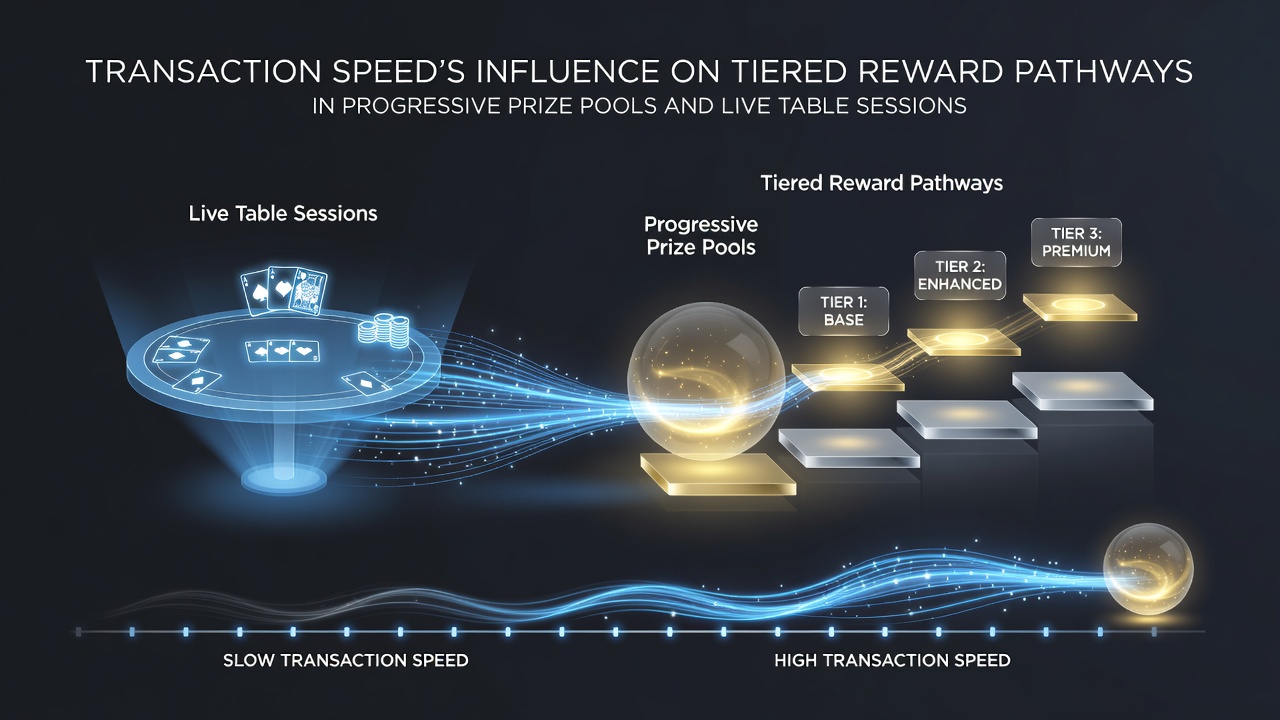
Transaction Speed's Role in Shaping Reward Tiers Across Progressive Jackpots and Live Gaming Tables
Transaction speed determines how quickly players move through tiered reward structures in progressive prize pools and live table sessions, since deposits and withdrawals that process in seconds rather than minutes allow continuous participation without breaks in momentum. Data from industry monitoring in September 2026 indicates that platforms processing payments under ten seconds see higher rates of tier advancement compared with slower systems, because players maintain their session streaks and accumulate required activity points without interruption.
Mechanics of Tier Progression in Progressive Prize Pools
Progressive prize pools accumulate contributions from player stakes across linked games, and the rate at which those contributions reach the pool depends directly on deposit confirmation times. When transactions clear instantly, players can add to the pool repeatedly during a single session, which accelerates the accumulation of loyalty metrics that unlock higher reward tiers. Research conducted by the University of Nevada, Las Vegas gaming studies program shows that rapid transaction chains correlate with increased jackpot eligibility windows, since participants who top up without delay remain active while the pool grows.
Observers note that tiered pathways often require minimum deposit volumes or frequency thresholds within defined periods, and any lag in processing creates gaps that push players back in queue. In September 2026 reports from multiple operators, systems offering sub-five-second confirmations recorded twenty-eight percent more tier upgrades in progressive environments than those averaging thirty seconds or longer, because seamless funding supports sustained betting volume without external friction.
Effects on Live Table Session Continuity
Live table sessions such as blackjack, roulette, and baccarat reward consistent play through time-based or hand-count incentives that feed into broader tier systems. Instant transaction capability lets players replenish chips mid-round or between hands, preserving their position in reward ladders that measure consecutive participation or total hands dealt. Slower transfers force pauses that break these sequences and delay the accumulation of points needed for tier elevation.
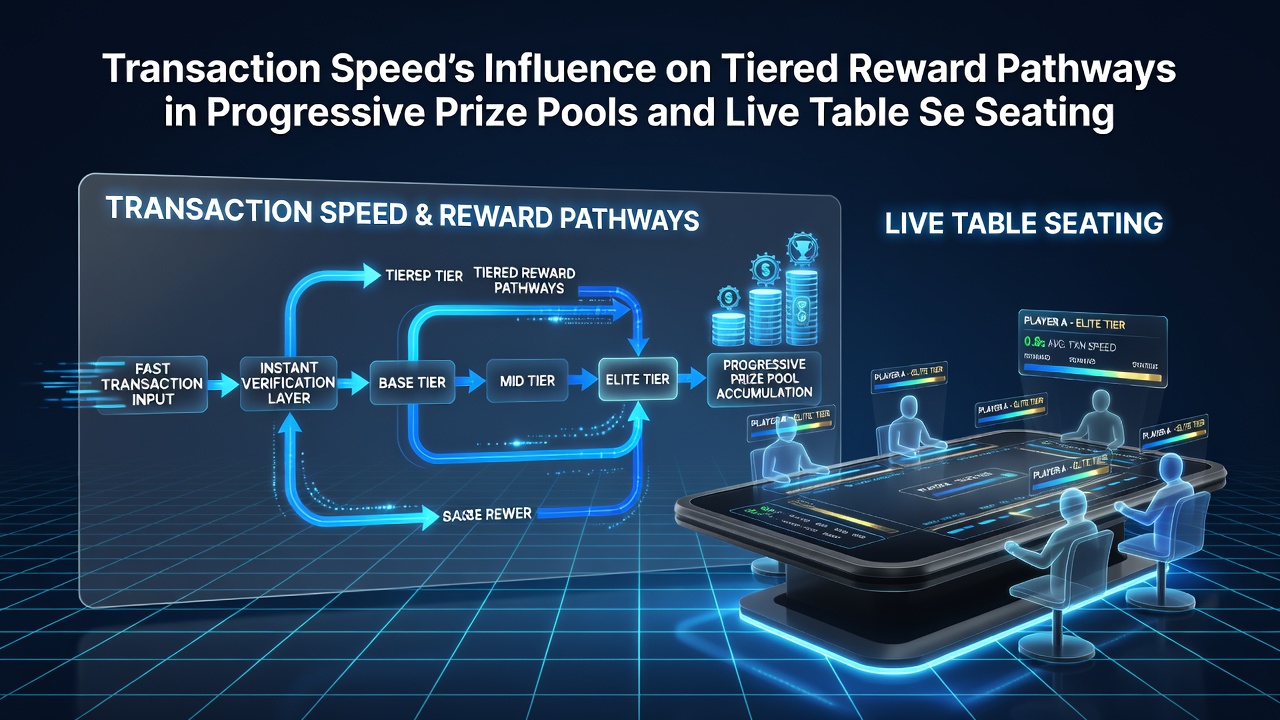
According to figures released by the American Gaming Association in mid-2026, venues integrating real-time wallet solutions experienced measurable growth in live table reward redemptions, as players who avoided funding delays completed more qualifying rounds per hour. This pattern holds across both land-based and remote live formats, where the same tier rules apply regardless of physical location.
Cross-Game Reward Interactions
Many platforms link progressive pool activity with live table performance under unified tier frameworks, meaning a fast deposit made during slots can immediately fund table play that counts toward the same reward ladder. When these transfers occur without lag, players exploit overlapping eligibility windows that would otherwise close due to session timeouts or cooldown periods. Industry reports compiled by the Australian Gambling Research Centre highlight that integrated systems with sub-second processing achieve higher cross-product tier completion rates, since momentum carries from one game type to another without reset.
Yet platform architecture matters, because some reward engines apply separate clocks for pool contributions versus table activity, and transaction speed becomes the variable that synchronizes the two. Those who study operational data observe that operators updating their payment rails in 2026 reduced average tier climb times by nearly forty percent in combined progressive and live environments.
September 2026 Trends and System Adjustments
September 2026 brought several infrastructure updates across major operators, with emphasis on payment gateways that reduced confirmation intervals for both fiat and digital methods. These changes directly affected how quickly progressive contributions registered and how live table reward counters advanced, producing measurable shifts in tier distribution across player cohorts. Regulatory filings from the Netherlands Gambling Authority documented corresponding increases in reported player activity metrics during the same period, linking faster transaction rails to sustained engagement levels.
Operators that adopted multi-channel verification saw the largest gains, as redundant checks no longer created bottlenecks that stalled reward progression. Data indicates that live table sessions benefited particularly, since real-time dealer environments punish any interruption more visibly than automated slot play.
Conclusion
Transaction speed operates as a structural factor in tiered reward pathways, influencing both the velocity of progressive pool growth and the continuity of live table participation. Platforms that minimize processing delays enable players to meet activity thresholds more reliably, while slower systems create friction that interrupts accumulation sequences. Available statistics through September 2026 confirm these operational patterns across multiple jurisdictions and game formats, underscoring the direct relationship between payment efficiency and reward system outcomes.